Canary Wharf bulky rubbish removal for offices in Tower Hamlets
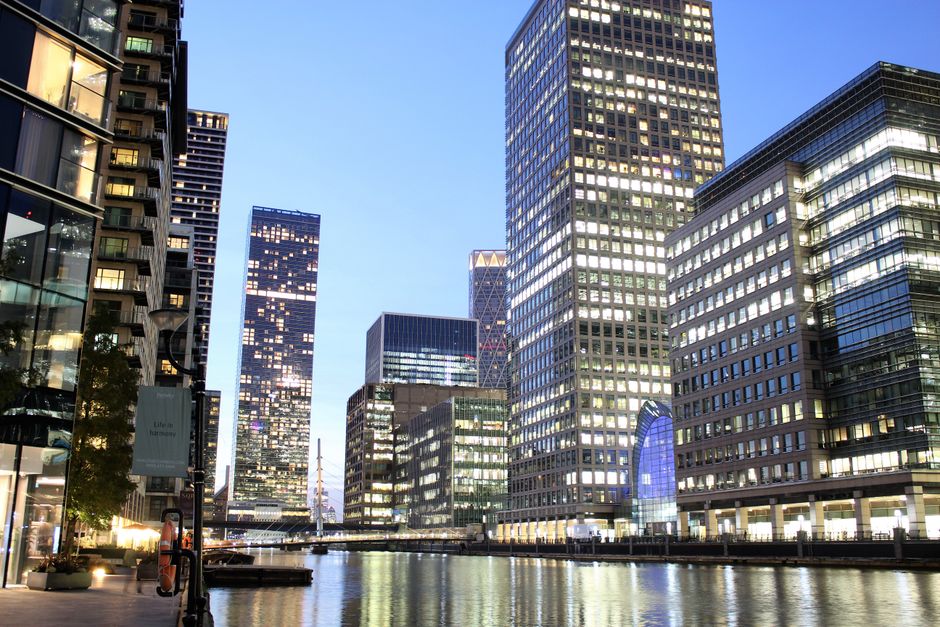
Office moves, refits, downsizing, and the occasional "where did all this old furniture come from?" moment can leave a Canary Wharf workplace buried under awkward, heavy waste. That is exactly where Canary Wharf bulky rubbish removal for offices in Tower Hamlets becomes useful. It's not just about getting rid of a broken desk or a stack of worn-out chairs. It's about clearing space quickly, keeping the building tidy, and making sure waste is handled properly without derailing your team's day.
If you manage an office in or around Canary Wharf, you already know the pressure: tight access, service lifts, busy corridors, building rules, and very little patience for mess. A good clearance plan makes all the difference. In this guide, you'll find a plain-English explanation of how office bulky waste removal works, what to watch for, and how to choose the right approach for your space. We'll also cover practical steps, common mistakes, compliance considerations, and a realistic checklist you can use straight away.
Why Canary Wharf bulky rubbish removal for offices in Tower Hamlets Matters
Bulky office waste is different from a bag of general rubbish. Think photocopiers, office desks, boardroom tables, storage cabinets, monitors, office chairs, breakout sofas, reception counters, and old kitchen appliances. These items are heavy, awkward, and often impossible to move safely without the right people and equipment. In a dense business district like Canary Wharf, that matters even more because every minute of disruption is felt by staff, clients, building management, and neighbouring tenants.
There's also the simple truth that office space in Tower Hamlets is expensive. If a spare room, corner store, or underused meeting area has turned into a graveyard for old furniture, that space is doing nothing for the business. Clearing it can improve workflow, give your team room to breathe, and make the office look more professional almost immediately. You notice it the second the clutter goes. Funny how that works.
There's another layer too: office waste is not just "stuff". Some items can contain electrical components, confidential materials, batteries, or mixed materials that need careful handling. That's why a structured removal process is safer and more reliable than trying to wing it with ad hoc disposal. If you're already planning a wider reset, it may also make sense to look at office clearance services alongside your bulky waste removal plan, especially when the project involves multiple rooms or a full floor.
In practice, the companies that deal with bulky office rubbish well tend to save everyone time. Reception stays clear. Fire exits stay unobstructed. Staff are not stepping around broken chairs and half-dismantled cabinets. It sounds obvious, but you'd be surprised how often it's left too late.
How Canary Wharf bulky rubbish removal for offices in Tower Hamlets Works
Most office bulky rubbish removals follow a straightforward pattern, even if the building itself is anything but straightforward. The key is preparation. You identify what needs to go, check for anything restricted or sensitive, agree access arrangements, and then schedule a collection window that fits the office rhythm.
Typically, the process starts with an estimate based on the type and volume of waste. A few desks and chairs are one thing; a full office refresh is another. The team then arrives with the right vehicle, lifting equipment, and labour to remove items from the office without unnecessary disruption. If there are stairs, tight turns, loading restrictions, or concierge check-in procedures, these are usually worked out in advance. That bit matters. A lot.
For businesses in Tower Hamlets, it is also common to separate bulky rubbish into different streams: reusable furniture, scrap metal, electrical items, general bulky waste, and confidential material. That keeps disposal cleaner and more responsible. If your waste includes mixed office furniture, the service may be paired with furniture clearance or furniture disposal depending on the condition and destination of the items.
When confidential paper, files, or old records are involved, bulky rubbish removal should not be treated like a standard junk job. Sensitive items need to be separated and handled properly. In those cases, it's worth considering confidential shredding so the clearance and data security sides are both covered.
And if the office is being stripped as part of a refurbishment or move, you may have builder-related debris too. Mixed projects often benefit from builders waste clearance as well, because office fit-outs rarely produce only one type of waste. It's usually a bit of everything, really.
Key Benefits and Practical Advantages
The most obvious benefit is space. Once bulky waste is removed, rooms feel larger, cleaner, and much easier to work in. But the advantages go beyond appearance. A properly planned clearance reduces trip hazards, improves office flow, and makes future cleaning or maintenance easier. It can also help teams reset after a move, merger, restructure, or refurbishment. That emotional effect is real. A clear office feels calmer.
Speed is another major benefit. If you've ever tried to coordinate internal staff to move heavy furniture, you'll know how quickly it becomes a half-day of back pain, delays, and complaints. Professional removal is simply more efficient. Items are moved in one controlled visit rather than being dragged out over a week. That alone can be worth it.
There's also the sustainability angle. Good clearance services aim to sort items so that reusable furniture, recyclable materials, and waste that requires special handling are separated properly. If sustainability is part of your company's message, it makes sense to choose a provider whose approach is aligned with recycling and sustainability. It helps your office look after the practical side without ignoring the environmental side.
For businesses, there is a reputational advantage too. An organised, tidy removal says something about how the company operates. It shows that you care about safety, compliance, and the working environment. That can matter to staff, landlords, and visitors alike.
Expert summary: In a busy Canary Wharf office, bulky rubbish removal works best when it is treated as a planned workplace task, not a last-minute clean-up. The real wins are safety, speed, and a cleaner handover of space.
Who This Is For and When It Makes Sense
This service is a strong fit for office managers, facilities teams, landlords, managing agents, and business owners who need to clear large items from a workplace in Tower Hamlets. It is especially useful when the office is changing shape: a move to a new floor, a lease end, a refurb, a reduction in headcount, or a post-project tidy-up after fit-out work.
It also makes sense when your team is dealing with items that are simply too large, too heavy, or too awkward to handle safely in-house. Reception desks, meeting tables, filing cabinets, printers, server-room furniture, office partitions, and old soft seating all fall into this category. Let's face it, nobody wants to be the person trying to wrestle a three-door cabinet through a narrow corridor at 4:45 on a Friday.
If you run a smaller office or co-working space, bulky rubbish removal is still relevant. In fact, smaller workplaces often have less storage and fewer people to spare for moving heavy items. A few old chairs and a broken sofa can create more disruption than you'd expect. For mixed-business sites, the broader business waste removal service can be a helpful umbrella when you need office items cleared alongside other waste streams.
It's also sensible when items are no longer worth storing "just in case". Most offices have at least one room with that one ancient printer or pile of unused furniture that nobody admits responsibility for. We've all seen it. The sort of room that quietly becomes a forgotten archive of regret.
Step-by-Step Guidance
If you want a smooth removal, plan it in a sequence. The best jobs are rarely the most dramatic ones; they're the ones where the details were sorted early.
- List everything that needs to go. Be specific. Separate desks, chairs, cabinets, appliances, carpets, and waste from a fit-out if needed.
- Identify anything sensitive. Check for documents, hard drives, branded equipment, batteries, or any items that should not go straight into general waste.
- Check building access. Confirm lift booking rules, loading bay access, parking restrictions, and collection times with building management.
- Decide what can be reused, recycled, or disposed of. This helps reduce waste and may lower the amount that needs to be taken away as mixed rubbish.
- Request a quote with clear details. Volume, item type, access difficulty, and urgency all affect the job. Being precise saves time later.
- Prepare the office. Move personal items out of the way, label items to be collected, and keep routes clear.
- Schedule the collection. Pick a time that suits the office, ideally outside peak movement hours if the building is busy.
- Confirm disposal expectations. Ask how items will be sorted and whether any categories need special handling.
- Carry out a final walk-through. Check that everything intended for removal has gone and that no area has been left blocked or damaged.
A good plan saves time, but it also reduces stress. That matters more than people think. If you've ever had staff hovering awkwardly in a hallway while removal work stalls, you'll know why.
Expert Tips for Better Results
One of the most useful things you can do is take photographs of the items before the job. Not glamorous, I know, but it helps with quoting and avoids misunderstandings if the office is large or the waste is spread across more than one floor. A quick visual record can save a long email chain later.
Another tip: separate bulky waste by category before the crew arrives. For example, place furniture in one area, electrical items in another, and anything confidential in a clearly marked, secure place. This tiny bit of sorting makes the physical removal faster and often more economical. If you mix everything together, the job tends to become slower and a bit messier.
When dealing with office furniture, ask whether anything could be reused internally first. Sometimes a boardroom table is no longer right for one team but still perfectly usable elsewhere in the business. Same with chairs, storage units, and small desks. A little internal redeployment can reduce waste and stretch your budget further.
If your office has appliances, such as a fridge in the staff kitchen or a broken microwave, handle those separately from standard furniture. Appliance removal often needs different handling, and it's wise to treat it that way. You can also look at fridge and appliance removal if that is part of the clearance. And if the office has a tired breakout sofa or old reception seating, mattress and sofa disposal can be relevant for soft furnishings and bulky upholstered items.
Finally, keep communication simple. One point of contact, one list of items, one agreed time window. It sounds boring, but boring is good here. Boring means organised.
Common Mistakes to Avoid
The biggest mistake is leaving it too late. Office clearance projects always look bigger the day before the deadline. That is not imagination; that is office life. If the furniture is still there when staff are due back after a refit, the pressure builds fast.
Another frequent mistake is underestimating access problems. Canary Wharf offices may have loading restrictions, concierge requirements, strict lift bookings, or narrow routes from the reception area. If those are not planned for, the job can slow down sharply. A good removals team can work around these issues, but they need the information upfront.
People also forget about mixed waste. A desk is not just a desk if it has metal, wood, cabling, and a drawer full of old cables or paper. Likewise, a printer may be bulky, but it can also contain materials that need separate handling. Dumping everything into one category is convenient for no one and can complicate disposal.
One more common issue: assuming the cheapest option is the best. Sometimes the low price excludes labour, stairs, timing constraints, or proper disposal. Cheap can end up expensive when the collection is delayed or the building complains. Worth checking carefully, that one.
Tools, Resources and Recommendations
You do not need a warehouse of equipment to prepare for bulky rubbish removal, but a few simple tools help a lot. Label stickers, a marker pen, sturdy gloves, a dolly or trolley, and some basic packing tape can make the office preparation much smoother. If your team has to move items short distances inside the building, these small tools pay for themselves quickly.
For planning, a room-by-room inventory is often the best resource. Keep it simple: item name, quantity, condition, and location. Add notes for access issues or items that should not be touched. Even a shared spreadsheet is enough. No need to overcomplicate it.
As a practical reference point, the website's pricing and quotes page is useful if you want to understand how enquiries are typically handled and what details help shape an accurate estimate. If you want to book a collection once you know what needs removing, the book online option can be a straightforward next step.
If your job involves a broader premises clear-out rather than just a few bulky items, it can be worth reviewing the wider waste removal service too. Offices often generate more than one type of waste, and a broader service view can prevent you from booking the wrong solution.
Law, Compliance, Standards, or Best Practice
Office bulky rubbish removal in Tower Hamlets should be handled with care because business waste carries responsibilities. In the UK, commercial waste must be transferred and disposed of properly, and businesses should use a lawful, traceable route for disposal. You do not need to become a waste expert, but you do need to know that "just take it away" is not enough on its own.
For office managers, best practice usually includes keeping an audit trail of what was removed, separating confidential material, and making sure any electrical or hazardous items are handled appropriately. If there are items that may be classed as hazardous, they should not be left in with regular bulky waste. A cautious approach is always better than a rushed one.
Health and safety is another major part of the picture. Heavy lifting, blocked walkways, poor handling, and rushed removal can all create risk. It is sensible to choose a provider that works in line with documented safety procedures. You can review health and safety policy information and insurance and safety details to understand the standards expected from a professional operator.
Data protection is relevant too, even if the job is mainly about furniture. Old files, devices, and storage media should not be treated casually. If in doubt, separate them from the clearance and deal with them through a secure process. Better to pause for ten minutes than regret a shortcut later.
Options, Methods, or Comparison Table
There are a few common ways offices in Canary Wharf deal with bulky rubbish. The right choice depends on time, volume, access, and the type of items being removed. Here is a simple comparison to help.
| Method | Best for | Strengths | Watch-outs |
|---|---|---|---|
| Professional bulky rubbish removal | Office furniture, mixed bulky items, quick clearances | Fast, organised, labour included, minimal disruption | Needs accurate item details and access info |
| Office clearance | Full room or floor clear-outs | More comprehensive, good for large projects | May be more than you need for a small job |
| Self-managed disposal | Very small volumes where staff can safely help | Can feel straightforward at first | Time-consuming, higher handling risk, access issues |
| Skip-based approach | Longer projects with ongoing waste generation | Useful for steady waste output over time | Space, permits, and sorting can be more involved |
For many Canary Wharf offices, the most practical option is a professional collection because it reduces stress on staff and handles awkward items in one visit. A skip can make sense for a longer refurbishment, but for bulky office waste, direct removal is often cleaner and easier.
If you are comparing methods, it can also help to read the site's guidance on what can go in a skip, even if you are not booking a skip. It gives you a useful sense of how waste categories are typically separated.
Case Study or Real-World Example
Picture a small finance office near Canary Wharf preparing to move out of one suite and into another. The team had a mix of old desks, broken office chairs, a couple of storage units, a reception bench, and a pile of outdated peripherals. There were also a few boxes of old files that needed secure handling. Nothing dramatic, but enough to cause headaches if ignored.
Rather than trying to shift everything in fragments over several days, the office manager created a quick inventory and marked items by category. Furniture went in one corner, electrical items in another, files were separated, and the building manager was notified about lift access for a morning slot. That one bit of forward planning made all the difference.
The clearance itself was done in a single visit. The office looked stripped back by lunchtime, and the team could focus on the move rather than navigating around old chairs and half-empty cabinets. The result was not flashy. It was just clean, calm, and done. Sometimes that is the best outcome you can ask for.
In situations like this, the value is not only in disposal. It is in momentum. Once the bulky waste goes, the rest of the project starts moving properly. You can feel that shift in the room, honestly.
Practical Checklist
Use this checklist before booking Canary Wharf bulky rubbish removal for offices in Tower Hamlets:
- List every item that needs removing.
- Separate furniture, electrical items, and confidential materials.
- Check building access rules, lifts, and loading bay timings.
- Confirm whether any items are damaged, heavy, or awkward to dismantle.
- Remove personal belongings from desks, drawers, and cabinets.
- Label items that must stay and items that must go.
- Ask for a clear estimate based on volume and access.
- Check whether the provider can handle office clearance, furniture disposal, or specialist items.
- Make sure confidential documents are kept separate for secure destruction.
- Walk the space after removal to check nothing has been missed.
If you can tick all of that off, the job is usually much smoother. Not perfect, perhaps, but definitely smoother.
Get a free quote today and see how much you can save.
Conclusion
Canary Wharf bulky rubbish removal for offices in Tower Hamlets is really about making a complicated task feel manageable. The right approach saves time, reduces disruption, supports safety, and helps your workspace look and function better. Whether you are clearing a single meeting room or emptying several floors, the principles stay the same: plan early, sort items properly, and choose a service that understands office access and business waste responsibilities.
When bulky waste is handled well, the office feels lighter. Staff move easier. The space becomes usable again. And the project you were dreading suddenly feels under control. That is a good feeling, truth be told.
If you are ready to clear the clutter and get the office back on track, take the next step with confidence. A tidy workspace does more than look better - it gives your business room to work properly again.
Frequently Asked Questions
What counts as bulky rubbish in an office?
Bulky office rubbish usually includes large or awkward items such as desks, chairs, cabinets, sofas, shelving, printers, and reception furniture. Anything that is too heavy or cumbersome for normal bag-based waste handling usually falls into this category.
Is bulky rubbish removal the same as office clearance?
Not always. Bulky rubbish removal often focuses on large items only, while office clearance can cover a wider set of contents, including smaller waste, mixed items, and room-by-room clearing. If you have a full office refresh, clearance may be the better fit.
How quickly can an office in Canary Wharf be cleared?
That depends on the amount of waste, access conditions, and whether anything needs special handling. A small collection may be completed quickly, while a full floor clear-out takes more coordination. The best approach is to share item details early so timing can be estimated properly.
Can old office furniture be reused or recycled?
Often, yes. Many items can be reused if they are in decent condition, and others can be broken down for recycling. The condition of the item and the material mix will usually determine the route taken.
What should I do with confidential documents during a clearance?
Keep them separate from bulky waste and arrange secure destruction through a proper shredding process. Do not leave confidential papers mixed in with general office rubbish, even if it feels quicker on the day.
Do I need to sort waste before the removal team arrives?
It helps a lot. Basic sorting by furniture, electrical items, and confidential material makes the collection easier and can reduce delays. It does not need to be perfect, but a bit of order goes a long way.
What if the office building has strict access rules?
That is common in Canary Wharf and much of Tower Hamlets. Share lift bookings, loading bay rules, concierge procedures, and time restrictions in advance so the collection can be planned around them.
Can bulky rubbish removal include appliances like fridges or microwaves?
Yes, but appliances are often handled separately because they may require different treatment. If your office kitchen includes old appliances, make sure they are declared before collection so the right handling is arranged.
Is it safe for office staff to move the items themselves?
For small, light items, maybe. For heavy or awkward furniture, it is usually safer to avoid manual lifting by staff. One strained back or damaged wall can quickly cost more than a professional removal would have in the first place.
How do I know whether I need business waste removal or furniture disposal?
If you are mainly clearing general workplace waste, business waste removal may suit you better. If the job is focused on sofas, desks, chairs, or other large items, furniture disposal or bulky rubbish removal is usually more relevant. Sometimes the answer is a combination of both.
What happens if some items are too damaged to reuse?
Damaged items are usually assessed for disposal or recycling depending on their material and condition. Broken furniture still needs to be handled responsibly, and mixed materials may need to be separated before final processing.
Where can I learn more about the company and its standards?
You can review the site's about us page for background, and check the published information on payment and security plus terms and conditions if you want to understand the process more fully before booking.