How to Save Money While Removing Bulky Waste
If your garage is overflowing, your backyard is cluttered, or your household is due for a big clear-out, disposing of large unwanted items--also known as bulky waste--can be both a hassle and an expense. Fortunately, there are plenty of clever strategies to help you save money on bulky waste removal without sacrificing convenience or sustainability. This comprehensive guide will explain everything you need to know about cost-effective bulky waste disposal, from understanding what counts as bulky items, to leveraging municipal services, to DIY options and tips on reducing waste at the source.
What Is Bulky Waste?
Bulky waste refers to large household items that can't be put in regular trash bins due to their size and weight. These typically include:
- Sofas and armchairs
- Tables, wardrobes, and other large furniture
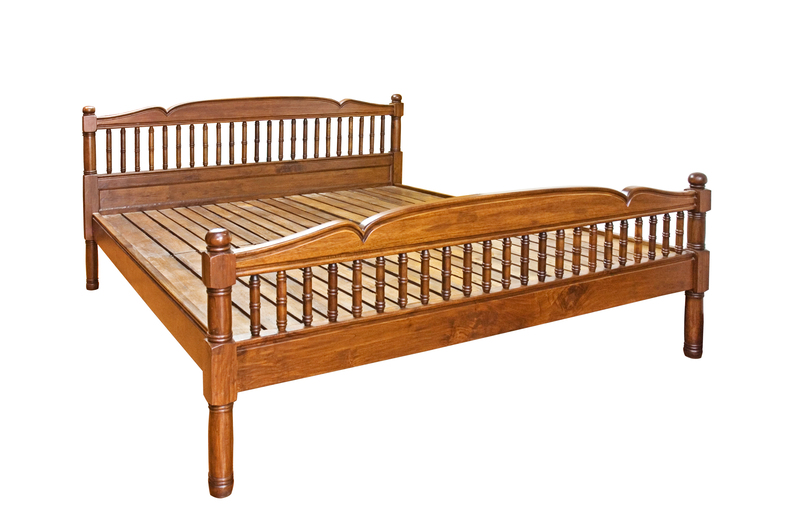
- Mattresses and bed frames
- Household appliances (refrigerators, washing machines, ovens, etc.)
- Carpets, rugs, and large rolls of fabric
- Garden waste in large quantities (tree branches, fence panels, sheds)
Because these items are awkward and sometimes require special handling, they can become expensive to dispose of if not managed correctly. Money-saving bulky waste removal is all about smart planning and making use of available free or low-cost resources.
Why Can Bulky Waste Removal Be Expensive?
Disposing of large unwanted items often involves labor costs, transportation, and sometimes even environmental fees for responsible disposal. If you don't watch for the best options, you could end up paying:
- Collection fees from private haulers or local authorities that add up quickly
- Charges for hiring a skip or dumpster
- Fuel and time costs, if you choose to transport items yourself
- Extra charges for special disposal regulations--like electronics or hazardous materials
But removing bulky waste cheaply is possible once you know your alternatives and plan ahead.
Tips for Saving Money on Bulky Waste Removal
1. Reuse or Donate Whenever Possible
Before rushing to disposal, ask yourself: Is this item still usable? If so, you can often avoid removal costs entirely--or even make a bit of cash--by finding someone who wants it.
- Donate gently used furniture, working appliances, and building materials to charities. National organizations (like Goodwill, Salvation Army, Habitat for Humanity ReStore) and local shelters often accept large donations and may offer a free collection service.
- Sell online: Use sites like Craigslist, Facebook Marketplace, Gumtree, or OfferUp. People often take unwanted items for free if they're responsible for pickup.
- Give away through platforms like Freecycle, Nextdoor, and local Facebook groups. Advertising as 'free to take, curbside pickup' is a highly effective way to clear bulky waste cheaply.
Key benefit: Reusing or donating not only saves money but also keeps usable items out of landfill, serving the environment and your community.
2. Take Advantage of Municipal "Bulky Item Pickup" Days
Most cities and towns offer free or low-cost bulky item collection services for residents, usually on set dates or with a limited number per year. Check your local government's website for details.
- Book in advance: Slots can fill quickly--schedule early, especially during spring and autumn when demand is highest.
- Understand the rules: There are usually limits on the number of items or types of waste accepted per collection. Separate recyclable items to comply with local regulations.
- Tip: Some cities allow shared pickups among neighbors. Coordinate to maximize every collection event!
3. Break Items Down for Easier and Cheaper Disposal
Many disposal fees are based on volume or the number of items. If you're able to dismantle furniture or appliances safely:
- Reduce the number of collection slots or vehicle trips needed.
- Potentially qualify for free "normal waste" or recycling bins.
- Separate recyclable components (wood, metal, electronic parts) to take advantage of special recycling programs.
Example: Removing legs from a sofa or doors from a wardrobe may make them fit in standard garbage or recycling bins.
4. Use Civic Recycling and Waste Centers
Most communities operate one or more household waste recycling centers (HWRCs) where residents can bring bulky waste. This option is usually free or very low-cost for household items.
- Check restrictions: Some centers limit the size or number of items per trip, or require proof of residency.
- Plan your trip: Group items so you only make one journey, saving on fuel and time.
- Sort different materials in advance (wood, electronics, metals, etc.) for quicker drop-off and potential rewards.
Important: Never fly-tip (illegally dump) bulky waste, as penalties will far exceed any legit removal fees!
5. Compare Private Bulky Waste Collection Services
When free or municipal options won't work--perhaps due to timing or quantity--you may need a private company. To get the best bulky waste removal price:
- Request multiple quotes from reputable, licensed waste carriers in your area.
- Beware of "too cheap" options: Unlicensed haulers may illegally dump your waste, for which you could be held liable.
- Ask about discounts for off-peak times or for preparing items (disassembling, placing curbside, or grouping with neighbors).
- Use review sites and local recommendations to find reliable providers.
Note: Some removal companies offer discounts for seniors, students, or large-volume loads negotiated in advance.
6. Share and Split Costs With Neighbors
Bulky waste pickup is cheaper when you work together. If your entire street needs a clear-out, coordinate with neighbors to:
- Hire a skip or dumpster and split the cost. Ask about delivery fees and permitted items.
- Book a joint private pickup and share the collection charge.
- Benefit from volume discounts for larger combined loads.
Savings tip: Some companies offer "wait and load" services, where they wait on-site while you fill their vehicle. Working together can fill the vehicle quickly, minimizing time-related fees.
7. Rent a Van or Trailer for DIY Bulky Waste Removal
If you have several big items and access to a vehicle, you can haul bulky waste to official disposal sites yourself. It's usually cheaper than hiring collection--just factor in fuel, rental, and possible permit costs.
- Choose the right vehicle: A van, truck, or trailer fits most items in one trip--some towns offer free or discounted van hire for residents disposing of bulky items.
- Ask waste centers about DIY disposal programs--many waive fees for residential drop-offs within allowed limits.
- Check legal requirements: Some areas require permits for vans or commercial loads, even for personal use.
8. Recycle or Upcycle What You Can
Save on bulky waste removal costs--and even make some money--by recycling or upcycling:
- Metals: Bed frames, radiators, and appliances are often accepted at metal recycling centers, sometimes for cash.
- Wood: Some recycling centers accept clean wood waste, or you could repurpose it for projects or firewood (where legal and appropriate).
- Electronics: Most towns provide e-waste drop-off days for old TVs, monitors, and computer equipment--often free to residents.
Creative ideas: Repurpose old doors as garden workbenches, turn pallets into furniture, or transform bathtubs into planters for extra savings and style.
Frequently Asked Questions About Budget Bulky Waste Removal
Is it more cost-effective to hire a skip or use a collection service?
It depends on the number and type of items. For ongoing or large clear-outs, sharing a skip with others often brings the lowest per-item cost, though you incur a flat fee. If you only have a few big pieces, a pay-per-item collection (either municipal or private) is usually cheaper--especially if you can prepare and group your waste in advance. Always compare prices and factor in labor, time, and possible permit fees.
Can I put bulky waste out with my regular trash?
No--most standard garbage services won't pick up large furniture, mattresses, or appliances. Plus, such items may be illegal to dump curbside without arranging a special collection. Always check your local rules and avoid fines or penalties by booking a bulky waste pickup or taking items directly to a recycling center.
Are there free options for disposing of old furniture?
Yes! Many charities and reuse organizations collect quality furniture for free. Municipalities frequently offer one or more free bulky waste pickups per year. If the items are still usable, giving away via online freecycle platforms is a win-win: you declutter at zero cost while helping someone else.

Smart Habits to Avoid Bulky Waste in the First Place
Ultimately, the best way to save money on bulky waste removal is to produce less bulky waste altogether. Try these tips:
- Buy quality over quantity--good furniture and appliances last longer and are less likely to end up as bulky waste.
- Choose modular, recyclable, or second-hand items to ease future disposal costs.
- Regularly declutter so you're not overwhelmed with bulky waste build-up.
- Borrow, rent, or share rarely-used equipment instead of buying outright.
Adopting these habits saves you money, reduces your environmental footprint, and keeps your home organized.
Conclusion: Removing Bulky Waste on a Budget Is Possible!
Getting rid of bulky waste without spending a fortune is within everyone's reach. The key is making smart choices: reuse and donate when you can, leverage local services, compare private haulers, and always plan ahead to avoid unexpected costs. By following these money-saving bulky waste removal tips, you'll keep your home clean and your wallet happy--all while being a good environmental steward.
If you're facing a major declutter, use this guide as your checklist. Share tips with neighbors, and remember: the cheapest solution is always the one that saves resources and prevents waste in the first place!